
Had qualification for the World Cup been decided by population, Spain would only just have made it for the past seven tournaments. Ranked 31st by that metric, they lag behind Myanmar, Sudan and Colombia – plus England, for that matter.
Instead, their men’s and women’s teams both currently sit top of the FIFA rankings, having now won three World Cups and three Euros between them.
No country consistently produces as many exceptional players as Spain, so FourFourTwo flew to the Canary Islands to find out exactly why, and try to spot the players who’ll help them dominate the globe once more a decade from now.
Futures Bright (and on TV)
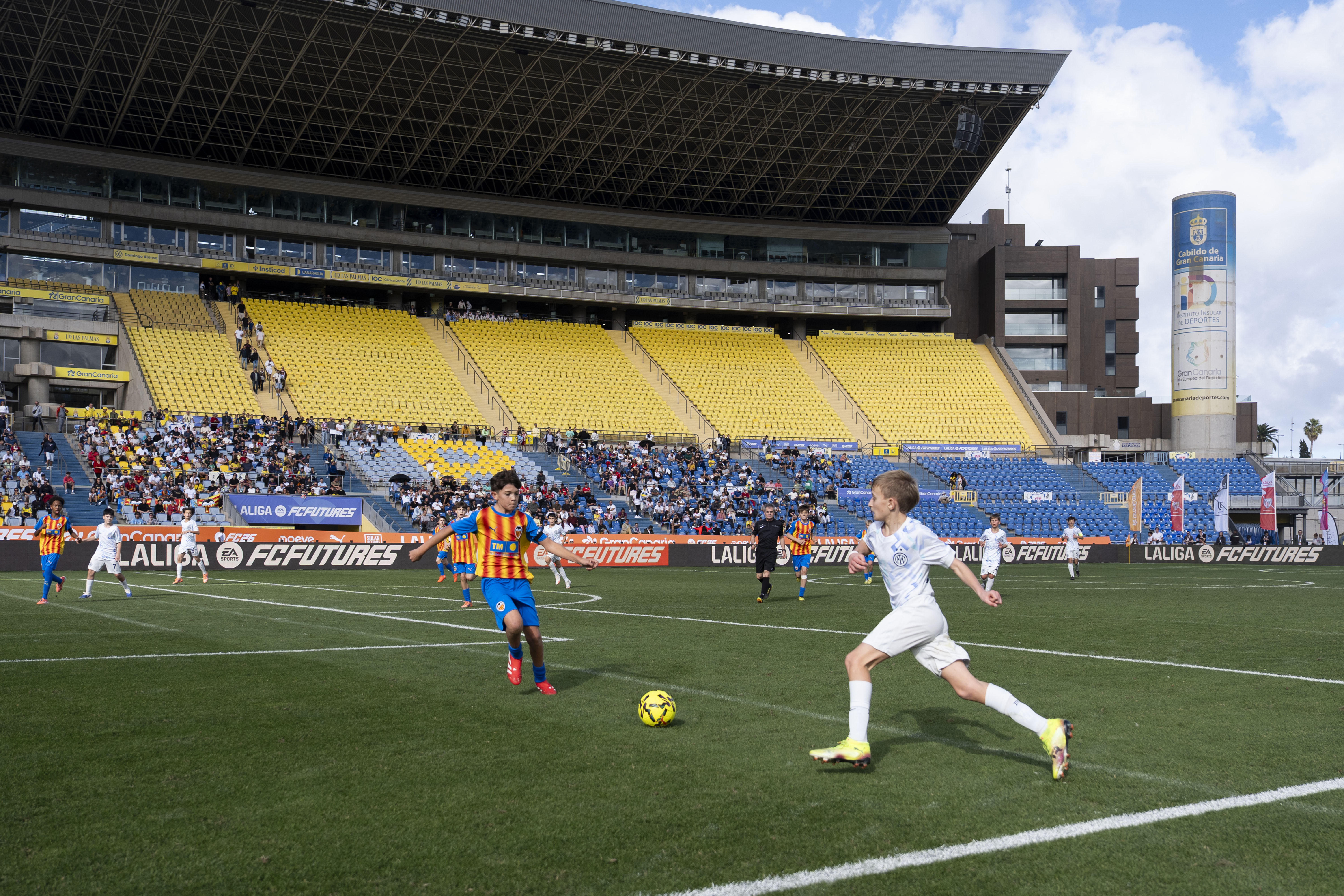
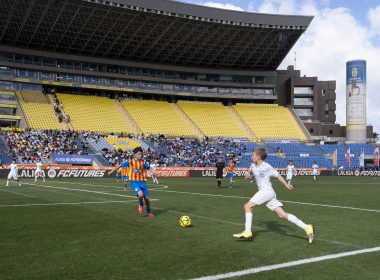
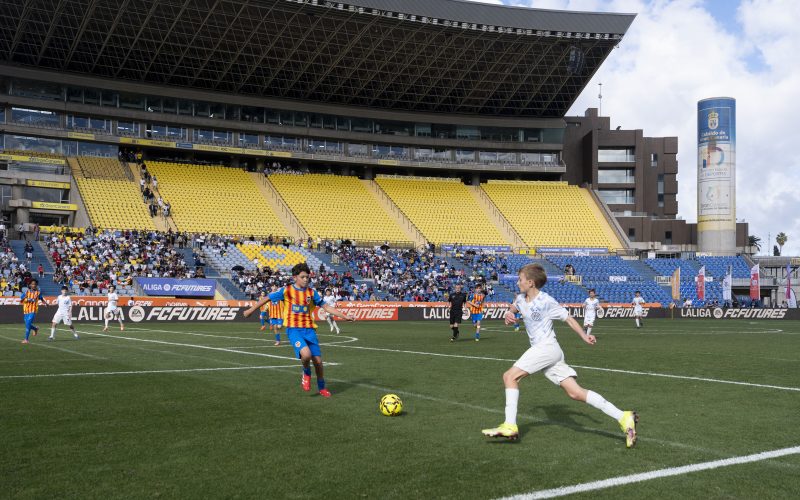
We’re in Las Palmas for La Liga’s latest FC Futures tournament – several of the events take place throughout the year, and this one is particularly prestigious, welcoming all of Spain’s biggest clubs and others from across Europe to Gran Canaria each winter.
Despite it being an under 13s tournament, all three days are shown live on the sports channel of RTVE, Spain’s equivalent of the BBC, plus DAZN, YouTube and other platforms. This year it’s been switched to the 32,000-capacity home of UD Las Palmas, currently pencilled in to host matches at the 2030 World Cup. It’s hard to imagine such prominence ever being given to a youth event in the UK.
A big reason for its reverence is the list of alumni – Xavi, Andres Iniesta, Iker Casillas, Fernando Torres, Gerard Pique and Lamine Yamal are just a few of the greats who once shone at the tournament. If you want to see the next Spanish superstar, this is the event to watch.
That’s a great source of pride for former journalist Jose Ramon de la Morena, who founded the tournament in 1992, when it took place on the outskirts of Madrid. He’s seen it grow to a status he never imagined, aided by La Liga getting on board. The fact that so many graduates of the event went on to win the World Cup with Spain in 2010 is something he remains emotional about.
“I still feel it,” he tells FFT. “All those players who were champions in South Africa, they all played in this tournament. I can still picture Iniesta when he was nine years old – we chose him as the best player at the tournament. A great friendship was born – I followed him when he was 10, 12, 14, then 16, when they took him to train with the first team in Barcelona. Then I saw him become a world champion, and I’m still friends with him now. Great pride.”
Launching the tournament wasn’t easy. “We didn’t have money, and I had to put my own in,” he explains. “We had to prepare the field ourselves, there was no advertising, nothing. The first two or three years were difficult, then we started broadcasting it and things worked out. Canal Plus started taking care of everything.
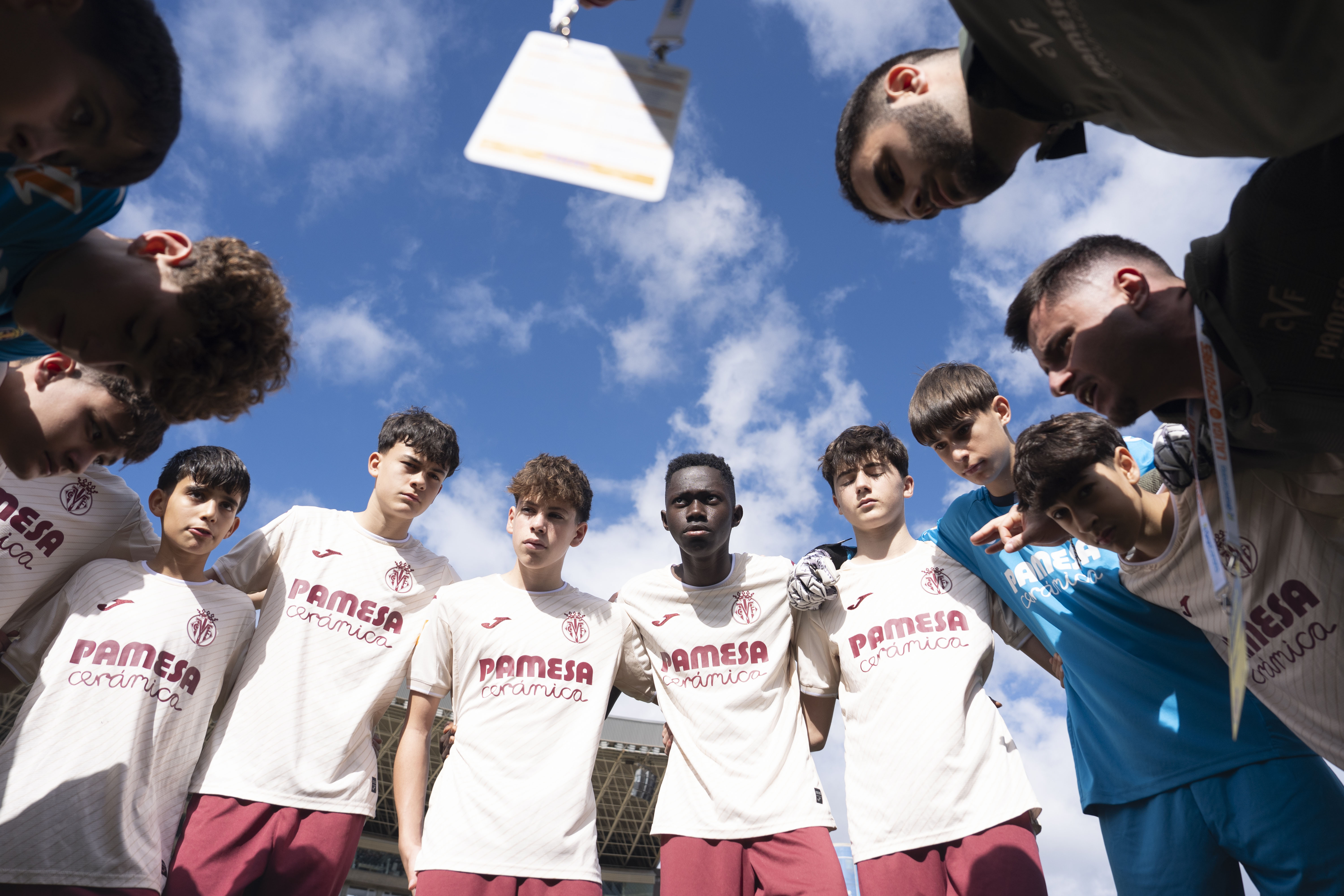
“When we started, it was just after the 1992 Olympics in Barcelona, so a lot of facilities had been created in the country, and there was a very good climate for sports. We came up with the idea of this championship for children – for a few days, they felt like professional footballers, because it was on TV, and they saw themselves in the newspapers, and they started to grow and grow.”
Not that things went smoothly for every future superstar at the tournament. “Iker Casillas was very good, but one year he didn’t play,” De la Morena remembers. “Real Madrid came to train at the field where the tournament was being played, and they saw a kid, the son of a local petrol station employee, who was playing as a goalkeeper. They told us ‘Hey, we want to try out that kid’, so that kid played instead of Casillas. Later, Casillas came to me with his father. His mother was very angry and told me ‘You’ve blocked my son’.”
Thankfully, when he sees Casillas these days, they’re able to joke about it. “I had nothing to do with him not playing, but he still doesn’t forgive me, he’d been very excited to play in that tournament, he still says it was my fault!” De la Morena chuckles.
Lamine came up to me and asked if I was going to take him to see some rap – his father had told him there was very good rap music in New York, and he should see some. I said ‘Rap? No, you’re here to play football!’
The founder remembers Yamal playing in FC Futures events, too. “He was the top scorer at a tournament in Villarreal five years ago, then he played in New York and Abu Dhabi as well,” the 69-year-old says. “I remember going for a walk with all the teams alongside the Hudson River. Lamine came up to me and asked if I was going to take him to see some rap – his father had told him there was very good rap music in New York, and he should see some. I said ‘Rap? No, you’re here to play football!’ I met him again two months ago for an interview, and showed him all the goals he scored at the tournament. It was really nice to see him again.”
De la Morena breaks off to take a call from David Villa, whose son Luca is playing for Atletico Madrid in the latest tournament. The former striker has phoned to accept an invitation to present the prizes at the end of the event.
We ask De La Morena if there are particular players we should watch out. “A lot,” he says. “For Atletico Madrid, a kid called Toro, and another called Mario. For Real Madrid, the number 10, Hugo Fernandez. For Barça, their number 11, Mounirou. For Inter, their number nine (Leonardo Bolzoni).”
Modric 2.0
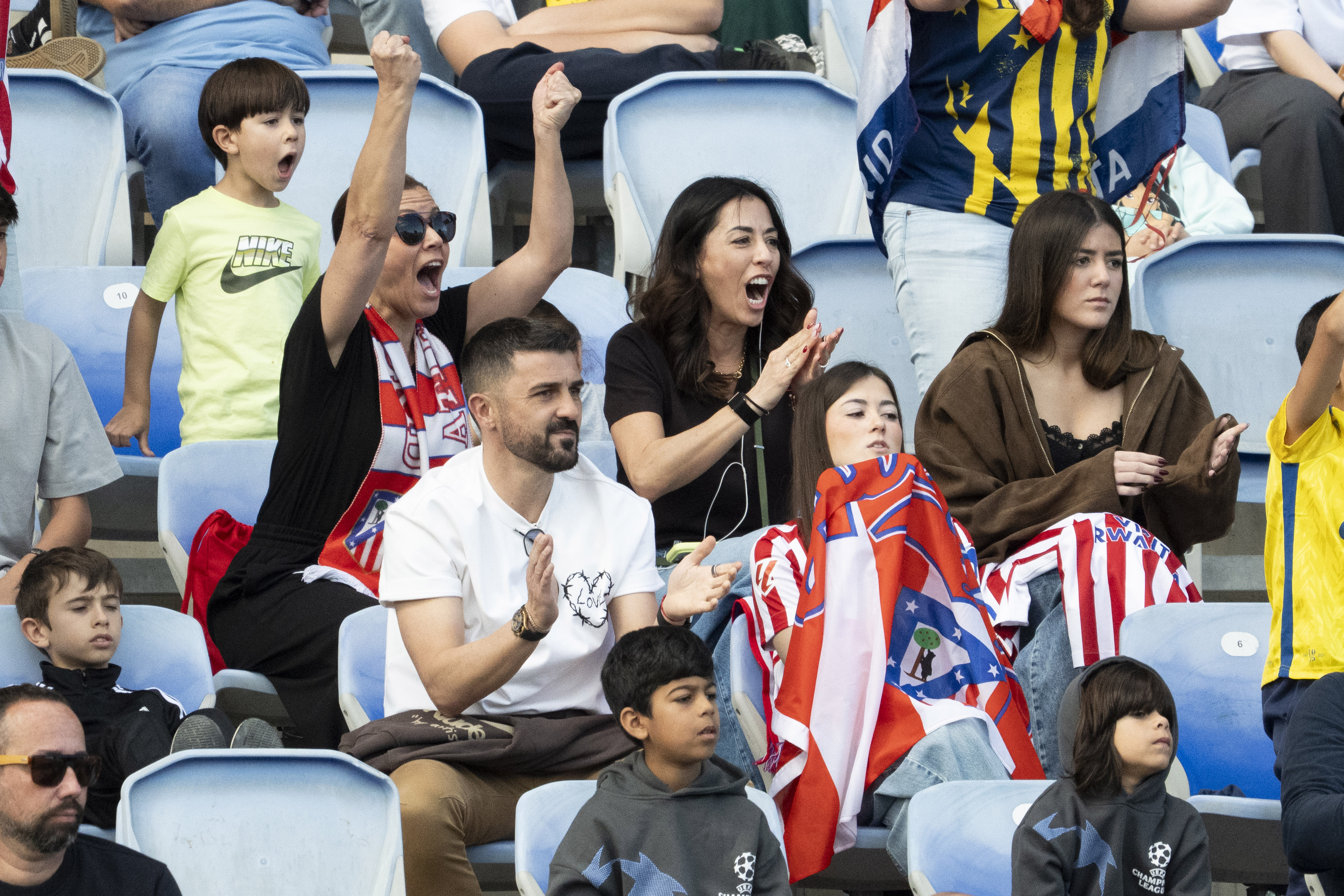
Inter are one of six non-Spanish clubs taking part in the 16-team tournament, together with Juventus, Dortmund, Benfica, Sporting and Paris Saint-Germain, who play Real Betis in the first game we take in.
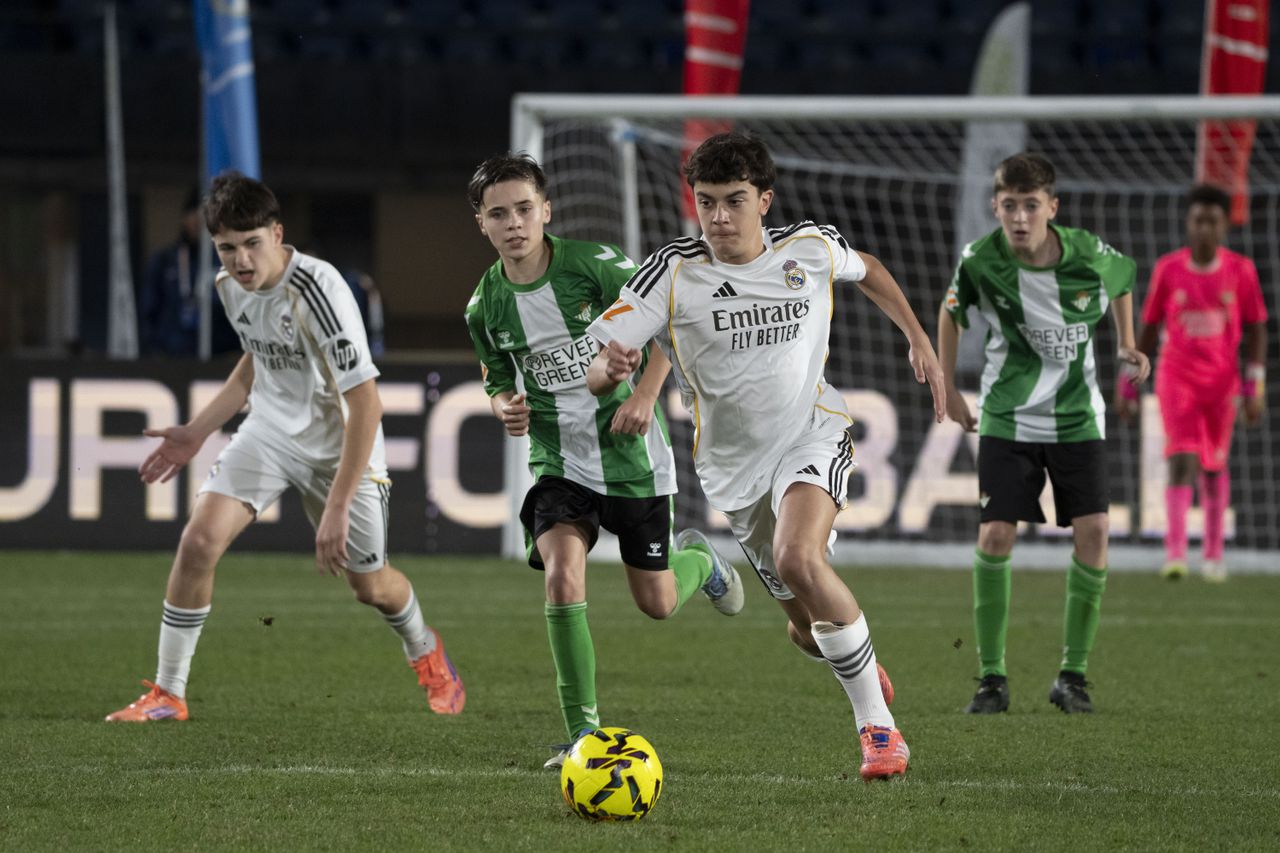
PSG have been praised for bringing through young players who helped them win the Champions League last year, but they didn’t reckon with the might of Spanish youth academies – Betis incredibly go 5-0 up inside eight minutes, aided by two goals each from forwards Ivan Calderon and Eric Villalba. Matches are seven-a-side and 12 minutes each way on a reduced-size playing surface, with Betis enthusiastically cheered on from the stand by what appear to be mum ultras, a small group who sing the entirety of the club’s official anthem in support of their sons. They eventually win 6-0, making this PSG’s most challenging visit to Spain since the Remontada.
Betis coach Edgar Agudo is delighted. “An experience like this tournament is immense for our players,” he says. “For two or three years now, they’ve been playing in tournaments – a boy who’s been at Betis since he was eight will have played many tournaments at this level. Perhaps not with this media exposure, but against this level of opponent, so they’re used to it. They’ve played a lot of seven-a-side, too, from the age of six to 12, even though they’ve been playing 11-a-side for six months now.
“At Betis, our academy is important to us, to bring players to the first team, and we’re proud that Spanish clubs are also contributing to the success of the national team. Our players were at an event yesterday where there was a presentation showing all the elite footballers who’ve passed through this tournament previously – it inspires them that there’s a path to follow.”
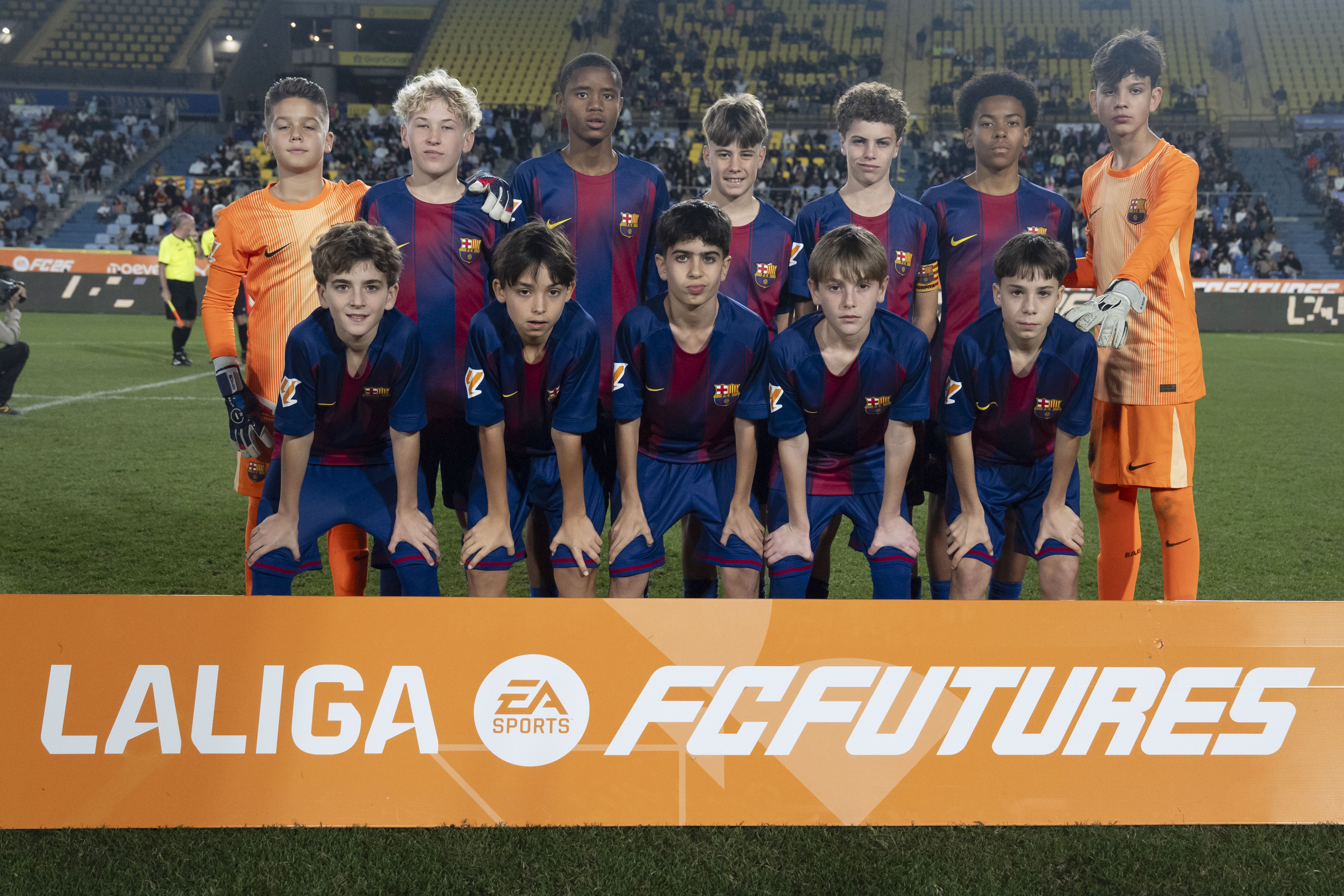
Juventus captain Andrea Ortoncelli impresses against Benfica – the right-back also scores and goes straight to the camera to show off the Dybala-esque hand gesture he’s prepared to celebrate. Some of these youngsters haven’t played on live TV before, and a few have devised special celebrations for the occasion – including Valencia’s Luca Sanchez, in a 3-0 win over Inter.
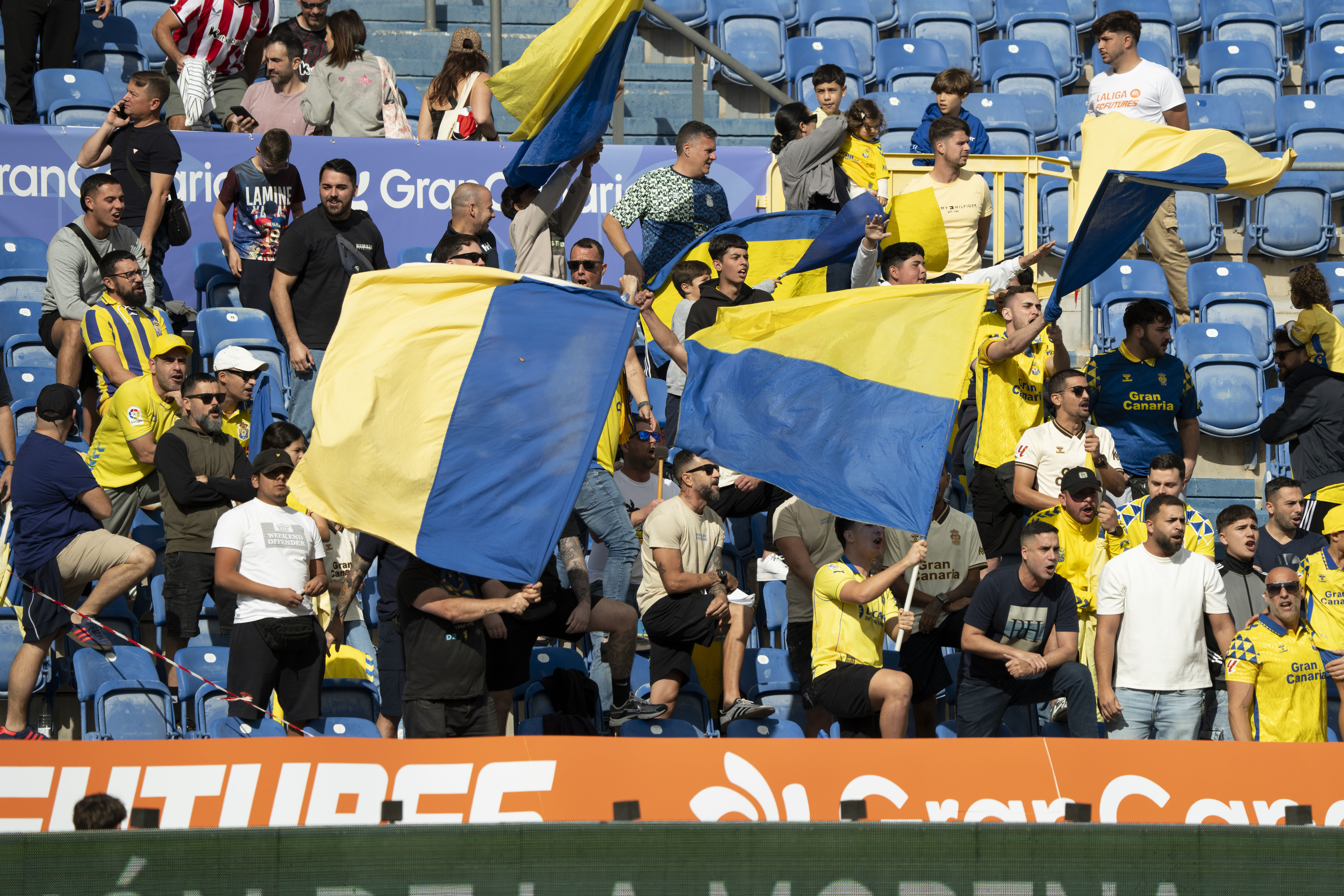
Atletico Madrid take on hosts Las Palmas, who are backed by a number of the most ardent fans of the club’s first team. The group make a grand entrance into the stadium banging drums and waving giant flags, then sing virtually non-stop and throw confetti, which all feels rather surreal for an under 13s tournament. They even whistle their disapproval at refereeing decisions.
Despite being the middle of winter, it’s nearly 20 degrees and more than 1,000 have been tempted into the stands – including David Villa, who’s sitting with the rest of the Atletico Madrid parents.
Barcelona beat neighbours Espanyol despite many of their players being noticeably small – there can be big height differences, with some still awaiting growth spurts. If anything, we’re most impressed by the smaller players who show talent, since they already have the technique to compete against taller opponents, and will become even better when they grow. Barca’s composed centre-back Claudio Ruiz looks like he could be one such player.
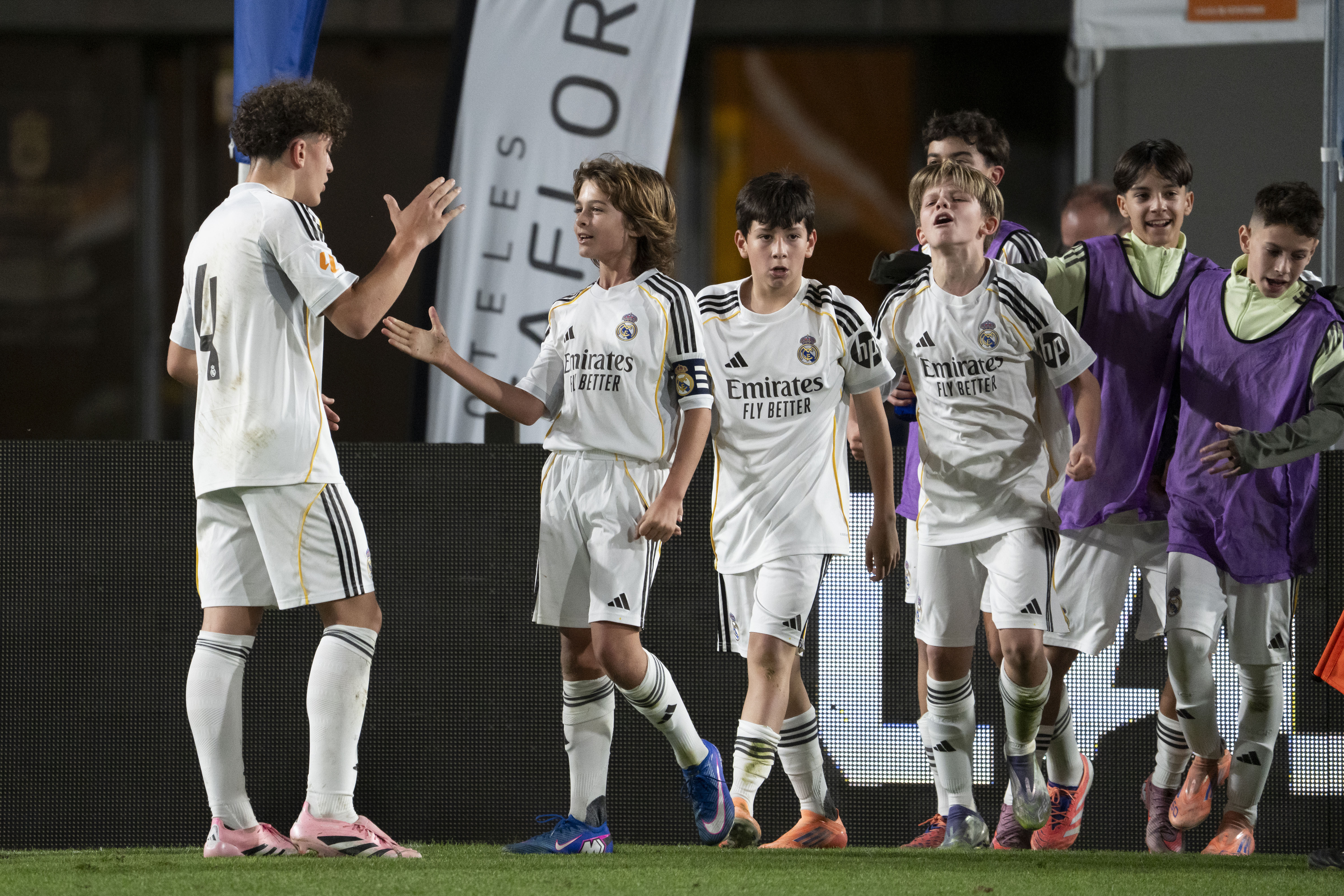
Real Madrid captain Hugo Fernandez isn’t the biggest either, but against Athletic Bilbao, we can immediately see why De la Morena mentioned him earlier – and why another of our contacts had told us to look out for him, too. The number 10’s idol is Luka Modric and he’s already got a similarly flowing mane of hair, plus many of his technical skills – albeit unlike the Croatian, he’s left-footed. He sets up one goal and scores another, while left-winger Nacho – complete with orange boots that give off a vibe that he knows he’s good – is a dangerous dribbler who delivers the most outrageous piece of skill we see all day.
Of the six overseas sides, only Juventus make it out of the group stage and into the quarter-finals, such is the strength of the Spanish teams. “Year after year, they show they’re the best,” smiles Cristina Sanchez, one of La Liga’s representatives at the event. “We have many tournaments, and the Spanish academies are the ones that really stand out.”
Dortmund coach Jannik Pleschke has been impressed. “You can tell that Spanish teams live football in a very special way,” he says. “Every team has players who’ve stood out for their dribbling, skills and solutions in pressure situations. They produce many footballers who have a high understanding of the game and are artists with the ball.
“Seven of the teams in the quarter-finals are Spanish, and that’s partly also because they defend well. It’s a highlight for us to compete at this level with top international opponents – it’s great experience for our team.”
“Our best generation ever”
In the quarter-finals, rangy right winger Aly Nestor Fofana shows plenty of ability as Villarreal beat Espanyol, but the beaten side have still relished being part of the tournament. “It’s been fun, we’ve had a very good time,” says dreadlocked defender Max Novas, after Espanyol invite us to speak to two of their players. “It’s been my first time in the Canary Islands – I was very motivated to come here to play in such an important tournament,” adds midfielder Issa Sigue.
They’re both understandably shy – this is more or less their first time speaking to any type of media, and talking to them reminds us just how young the footballers at this tournament are, even though they’ve spent the day playing and behaving like impressive mini professionals. “The coaches at Villarreal have been teaching me a lot,” explains Yellow Submarine midfielder Raul Perez. “My dream is to be a professional player, and to win this tournament.”
Atletico Madrid join them in the semi-finals after victory over Juventus, when talented dribbler Viti deploys his hammer of a left foot to smash home a goal from outside the box. Goalkeeper Inigo even scores, giving the ball an old-fashioned punt upfield and seeing it bounce over the head of his opposite number.
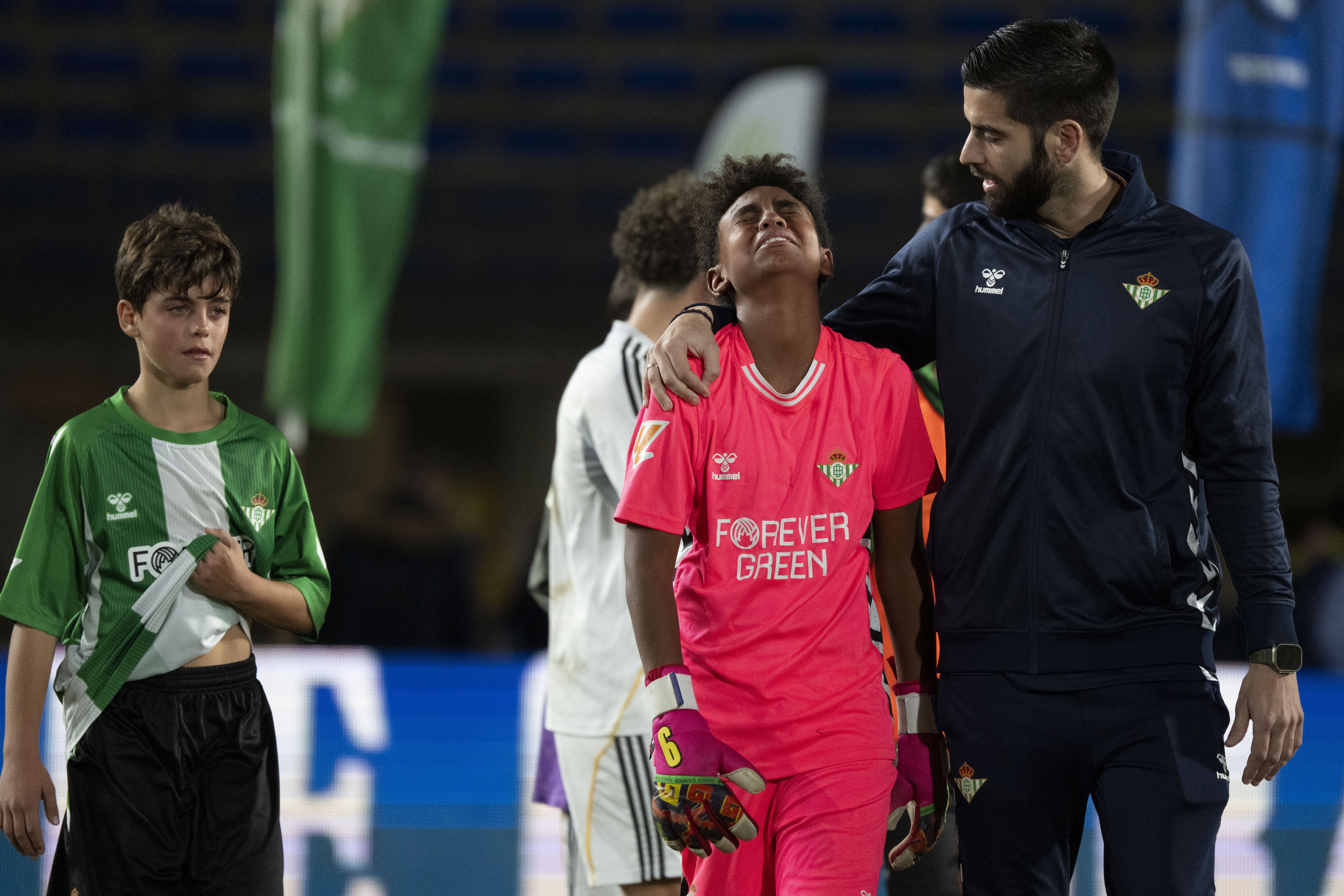
Barcelona lose a penalty shoot-out to Valencia, then Betis goalkeeper Gaby Oseremen Anorh is in tears at the end of their quarter-final with Real Madrid, after he can only parry a shot into the path of Modric lookalike Fernandez, who tucks away a difficult chance with aplomb for the only goal of the game. “That kid’s got aura,” another pitchside journalist remarks of the goalscorer – Thibaut Courtois regen Andres Estaire had previously thwarted Betis with several fine saves.
In the semi-finals, our interviewee Raul Perez does a panenka for the decisive spot kick as Villarreal beat Valencia on penalties, then David Villa’s son scores as Real Madrid are eliminated by city rivals Atletico, prompting a beaming smile from his dad in the stand.
In true Atleti fashion, they win the final 1-0, after Jaime’s solitary goal. Delighted at the result, and wearing an Atletico shirt underneath his hoodie, Villa strides on to the pitch to present the champions’ dribbling king Viti with the tournament’s MVP award. Real Madrid’s Modric 2.0 gets the top scorer honour, with Valencia’s Ibai Garcia named the best goalkeeper.
Finalists Villarreal must content themselves with runners-up medals, but it’s all part of a learning process that coach Paco Peris hopes will lead some of them to the club’s senior side one day. “We sign players at a very young age, because it gives them time to develop within our training model, and we’re a club who promote a lot of players to the first team,” he says.
Why have Villarreal and Spain had so much success with bringing players through to senior level? “Because of their quality, and because we trust them,” Peris adds. “When they’re good enough, trust your players, give them opportunities.”
Tournament founder De la Morena is confident that Spain’s conveyor belt of quality footballers will continue, based on what he’s seen here. “We have probably the worst generation of politicians we’ve had in years, but the best generation of footballers we’ve ever had, and over a prolonged period too,” he smiles.
The players we’ve seen in Gran Canaria won’t be ready for the 2030 World Cup on home soil, but given that this event gathered together all of the best under-13 footballers in the country, it would be little surprise if at least one or two of them are representing La Roja by the time 2034 comes around.
Spain have climate advantages that allow them to play tournaments all year round – even three-day tournaments on Las Palmas’ home pitch, without severely damaging it – but they’re the envy of the world right now when it comes to youth development, and with good reason.
In 10 years’ time, one can only guess at the total financial value of the players we’ve just witnessed.